By George Cheyne: Glasgow March 2021

It was the same ritual every Monday morning in that summer of 1976, ever since the “train incident” traumatised my mum.
She’d look me up and down as I was leaving for work, her eyes pleading with me once more… but this time with feeling.
“Make sure you’ve got your spare jacket and cap with you,” she’d say. Every-Bloody-Monday.
Admittedly, this piece of sage advice as I was heading out the door was hardly up there with: “Make sure you’ve got clean underwear on – you might get run over by a bus.”
But it meant everything to mum. She needed to know I’d packed the extra clothes as I headed off to Dumbarton Sheriff Court on Mondays to do my job as a 17-year-old cub reporter for a local newspaper.
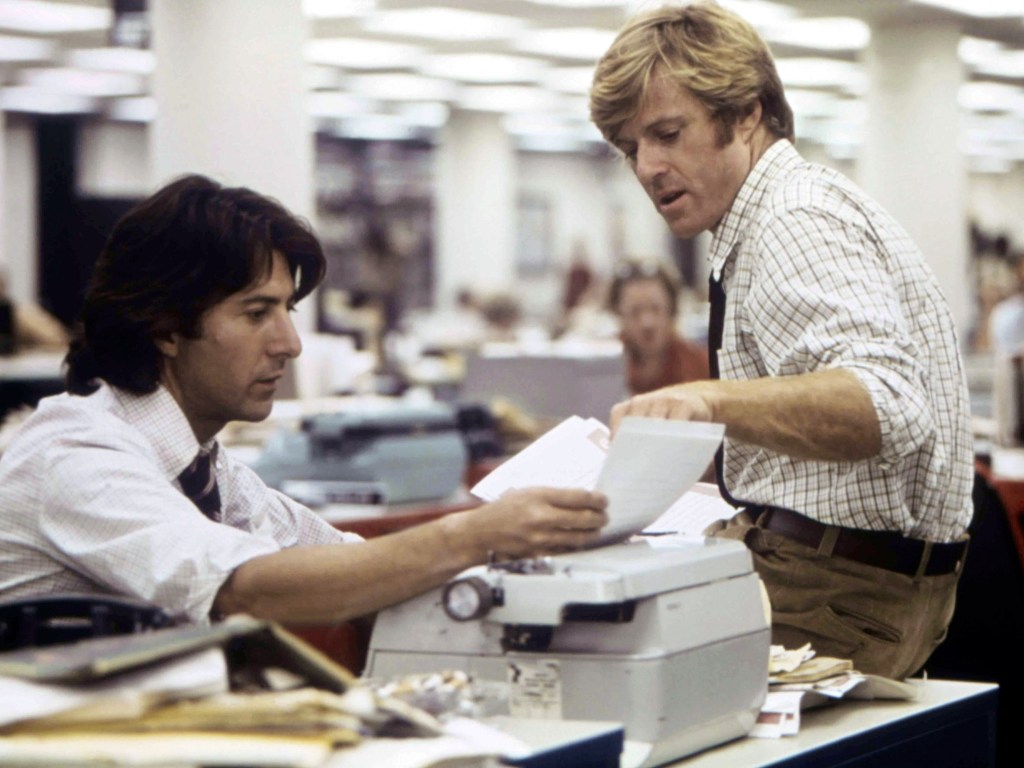
This was the halcyon days of All The Presidents Men, the true-life movie about how reporters Bob Woodward and Carl Bernstein helped bring down the Nixon administration following the Watergate scandal.
However, mum’s inspiration for making sure I had a spare jacket and cap tucked away, lent itself more to 1960s Cold War spy dramas than a film about a 1970s newspaper exposé.
She had been jumpy ever since I was threatened by two thugs on the train back from Dumbarton after covering a court two months before – and insisted I take this cunning disguise along to avoid any repeat.
Monday mornings at the sheriff court was a regular gig for me because there were plenty of good news stories to be picked up for The Clydebank Press back then.

Anyone who had been banged up over the weekend in Clydebank would be taken to Dumbarton Sheriff Court for a plea hearing. Plead guilty and you were dealt with there and then, plead not guilty and a trial date was set.
I would go down there, ferret around in the clerk’s office to see what relevant cases were coming up and then take my front-row seat to watch the wheels of justice turn.
This particular day my two fellow train travellers had been in court to see their brother sent down for six months after a vicious street assault and had obviously been for a few cocktails to mull things over.
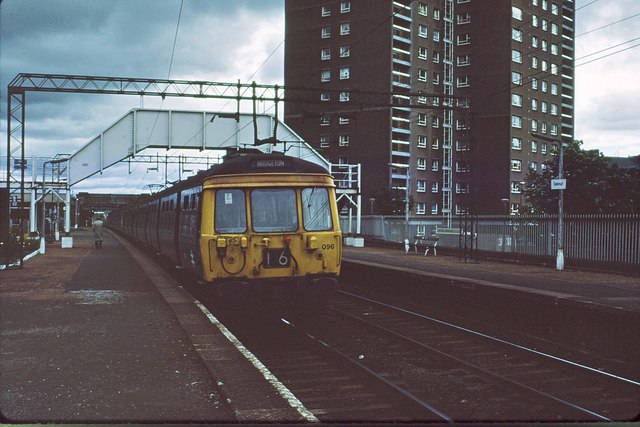
So far, so normal. But then fate put the three of us in the same carriage for the train journey back to Clydebank.

I recognised them straight away but thought no more about it as I began scribbling away in my notebook.
In hindsight, this wasn’t the smartest move I’ve ever made.
Two stops later the brothers sidled over to my seat and, with obvious intent, one slipped in beside me and the other across from me. Neat pincer movement, huh?
The one opposite said: “I know you…you were in court this morning. What paper do you work for?”
By now – too late, of course – I realised the folly of using my notebook on the train, so I plumped for my best completely-baffled look as I tried to convince them they had the wrong guy.
“Don’t gie’s it – I recognise yir jaiket,” said my interrogator, “Who do you work for?”
The jacket reference threw me. Why did he pick up on that..did it stand out that much..what was wrong with it..did I still have the receipt? So many questions, so little time.

I’d run out of wriggle room. In my head, I was going to say: “Bob Woodward, Washington Post…how can I help you?” But out my mouth came: “Clydebank Press.”
The glance between the two brothers told me I’d made a big mistake giving out this information so freely. What was I thinking?
Anyway, it became pretty obvious what the two of them were thinking. “We don’t want that story about our brother going in the paper,” said my opposite number as he casually flicked a Bic lighter on and off.
I considered putting across a measured argument about freedom of the press, how we were the eyes and ears of the public and how justice had to be seen to be done – but that self-righteous stance only lasted about a nano-second.
Understandably, thoughts of self-preservation kicked in instead and I mumbled something about how that decision wasn’t up to me.
“Aye, but if you don’t write anything then it cannae go in,” came the reply.
Trust me to get accosted by two guys who seem to have thought the whole thing through to a logical conclusion. Woodward and Bernstein never had to put up with this shit.
The stand-off – and I use the term loosely because in reality it was two twenty-something hard men going up against a teenager who had no aces up the sleeve of his distinctive-looking jacket – ended when the train pulled in to Dalmuir Station.

They were getting off and I was staying on. There was still time for the obligatory last word from the so-far silent brother: “No story, right! Remember…we know where you work.”
The point was rammed home as he jabbed my arm for every one of the last five syllables.
Message understood. I got off at the next stop, trudged into the office and unloaded the whole dilemma to my boss.
Only he didn’t see it as a dilemma. This was the 70s, the publish-and-be-damned era, so he said: “We can’t give in to these people, George. Write it up big.” Then an afterthought: “Mmm, I can see how the jacket gave you away.”
That jacket again. Clark Kent never had to put up with this shit.

The story went in the paper that Friday and I spent a lot of time looking over my shoulder whenever I left the office – but thankfully nothing ever came of the threats.
Two things happened after that.
I passed my driving test a few months later so that meant I could hightail it out of Dodge every Monday in safety…and I never wore that bloody jacket again!
Discover more from
Subscribe to get the latest posts sent to your email.
 onceuponatimeinthe70s.com