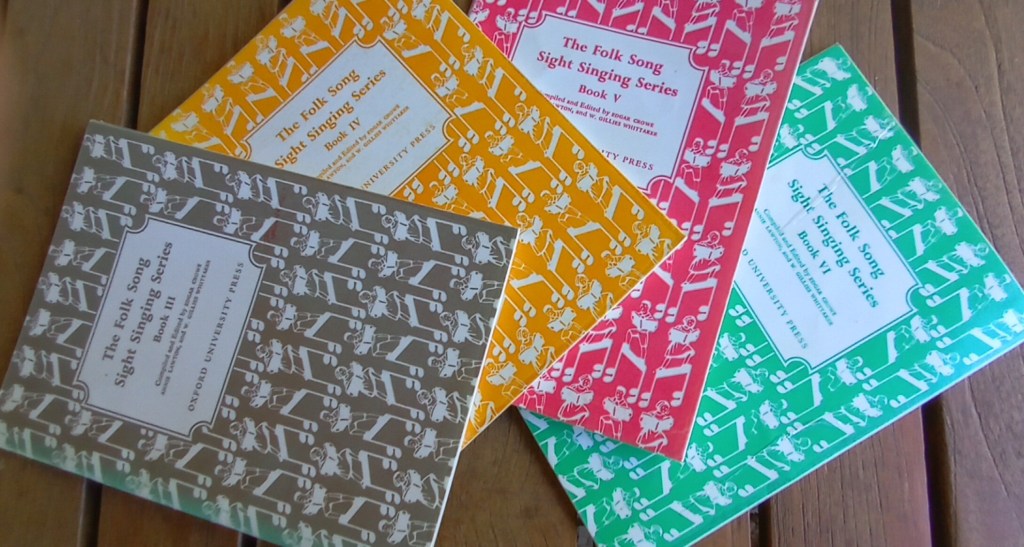
I have to admit, I was a bit of a swot in primary school music class. I used to love our weekly visit to the music room. I’d be happy to help move the piano for Miss, handout the sight singing books and put the chime bars away in the cupboard at the end of each lesson. Secretly I would lay them out in order and try and play the Vision On gallery theme before stacking them on the shelves.
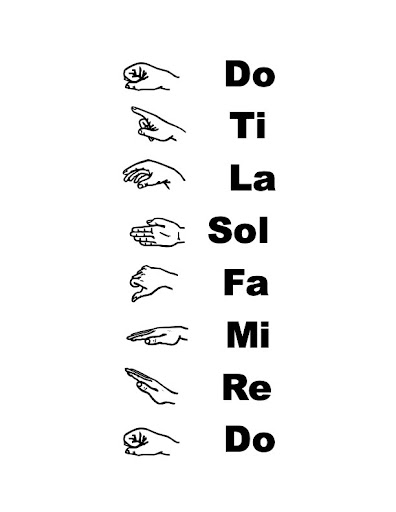
I knew my mnemonics for the lines and spaces – Every Good Boy Deserves Fun, FACE. Even the bass clef – All Cows Eat Grass and Good Boys Deserve Fine Apples. I tried to memorise the hand signs on the Kodaly Method poster, but you can only take it sol-fa (it’s okay, I’ll wait !)
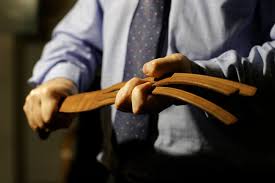
In secondary school not so much. It’s hard to be the teachers pet when you are being taught by a deranged psychopath. Lesson one was placing a piece of chalk on his desk. Starting at the back of the class, running at full pelt between the desks, this mad man would then bring his tawse crashing down to pulverise the chalk to dust.
Note : A tawse was a two or three pronged leather belt designed to inflict immense pain on Scottish school children until it was finally banned in 1987.
Then, calmly, he would ask thirty or more traumatised young boys to sing. “Men Of Harlech” was a whimper at best as he patrolled the rows of straight desks, menacingly leering towards you.
“YOU will be in my choir”
One particularly brave or incredibly stupid pupil answered him back.
“But I have football training at lunch times”
Audible gasp from all assembled.
“You WILL be in my choir”
I guess that boy never got to play for the Scotland National Football team .
Thankfully we only had to endure this sadist for one year before normal service was resumed with more empathetic female teachers and music became a thing of joy once more. Well, for me anyway.
One piece of music we studied that I remember quite fondly was The Young Persons Guide To The Orchestra by Benjamin Britten Opus 34 Variations and Fugue on a theme by Purcell. It does what is says on the tin and introduces you to the many varied instruments used in orchestral music.
I thought I would simplify things and give you my version.
Instruments are named in English, Italian, French or German.
The piccolo is related to the flute and means small in Italian. The pianoforte, to give it it’s full name, is soft loud in the same language.
The cor anglais is French for English horn which it is not. It’s related to the oboe which is a woodwind and not found in the horn section. Why not just call it the lowboe. What you might find there is a French horn. What makes it French ? No idea !
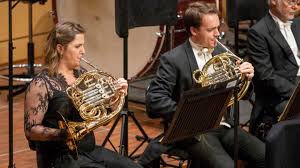
Also among horns is the flugelhorn which is German for wing or flank.
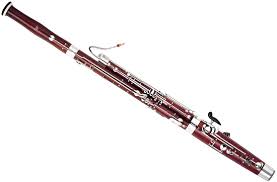
Back at the woodwinds there is the bassoon. What ever happened to the sopranoon, altoon and tenortoon I’ll never now. To make things worse the bassoon is a fagotte in German. At least you know where you stand with the triangle.
So to sum it up.
You start soft loud then small with the English, the backward facing French and the flugels on the flanks and it’s not over until the fagotte sings !
Music appreciation 101.
Class dismissed!
(Post by John Allan, from Bridgetown, Western Australia – February 2026.)
Discover more from
Subscribe to get the latest posts sent to your email.
 onceuponatimeinthe70s.com
YOU will be in my choir
LikeLiked by 1 person