Paul Fitzpatrick: Feb 2026
I’m not sure what my first ‘Greatest Hits’ or compilation album purchase was, discounting of course the late 60s, early 70s Top of the Pops albums with the soft-porn record sleeves.
On the whole, artists were too busy churning out new material in the early 70s to relive past glories. Unless of course past glories were all the record label had to work with.
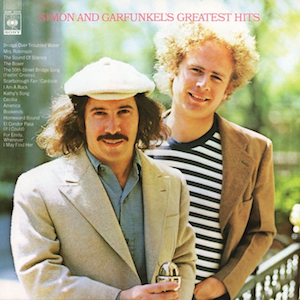
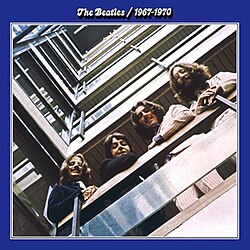
Simon & Garfunkel’s Greatest Hits, released post breakup in 1972, along with the Beatles 1962-1966 and 1967-1970 compilations, probably fueled the modern era of compilation albums.
The cash those three albums generated alone must have funded a record company Learjet or three, and as we know, record labels are never shy when it comes to ‘milking it’.
I was giving some thought to ‘Greatest Hits’ albums recently because one of my sons (Kyle) maintains that the Eagles Their Greatest Hits 1971-1975 album, (released in 1976), serves as the standard bearer for the genre.
His logic being that as far as compilations go, this particular release is concise, devoid of any filler and does exactly what it says on the tin, and to be fair it’s hard to argue with any of that.
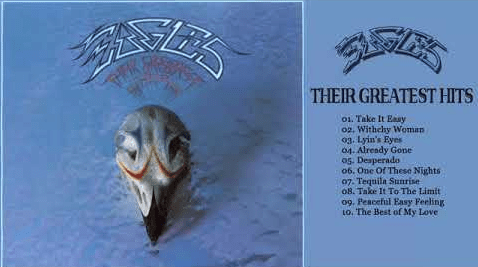
As it happens a lot of people share his view…. this Eagles compilation is not only the best-selling album of its kind, it’s officially the best selling album of the 20th century in America.
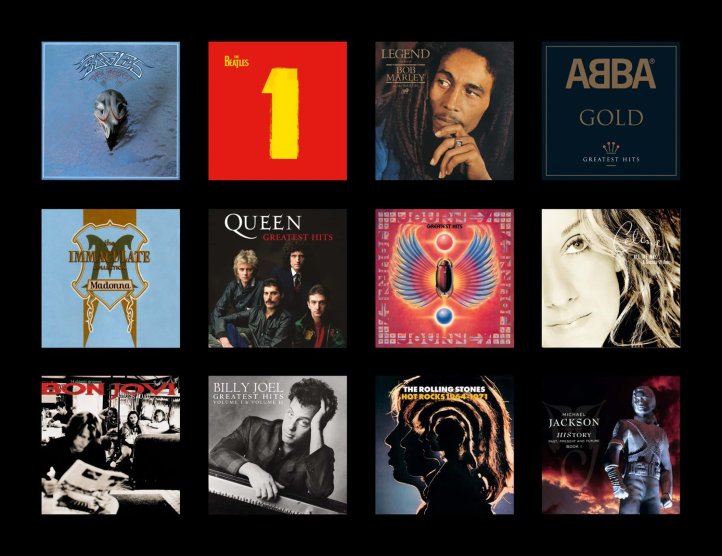
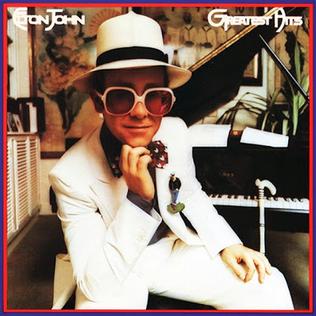
What’s notable when looking down the list of the best-selling ‘Greatest Hits’ albums is that the majority of the artists enjoyed their best of times in the 70s – Elton John, The Carpenters, Queen, Bob Marley, Billy Joel, James Taylor, Fleetwood Mac, Abba, Tom Petty, Neil Diamond, Steve Miller, America and of course the Eagles.
Greatest hits compilations it could be argued, are just another way for record labels to fleece the record buying public, but if curated well they’re a win-win.
For instance, if you want to dip into an artist before investing in their back catalogue then Greatest Hits albums offer a convenient gateway. This worked for me with artists like Al Green, Curtis Mayfield and Bill Withers, when I was transitioning to a soul boy.
Secondly, there were some impressively prolific singles bands in the 70s, like 10cc, Supertramp and ELO, and it was always a result to be able to capture an artists highlights via a single purchase.
Also, from an artists perspective, Greatest Hits collections made them more accessible. I witnessed this first hand when my parents whose preference was for crooners like Nat King Cole, Tony Bennett and Sinatra added compilations by Simon & Garfunkel, Neil Diamond, James Taylor and The Carpenters to their collection…. easy peasy, easy listening.
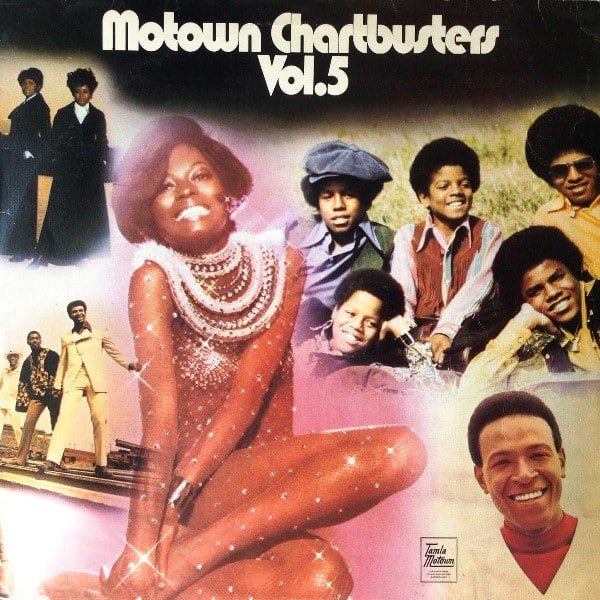
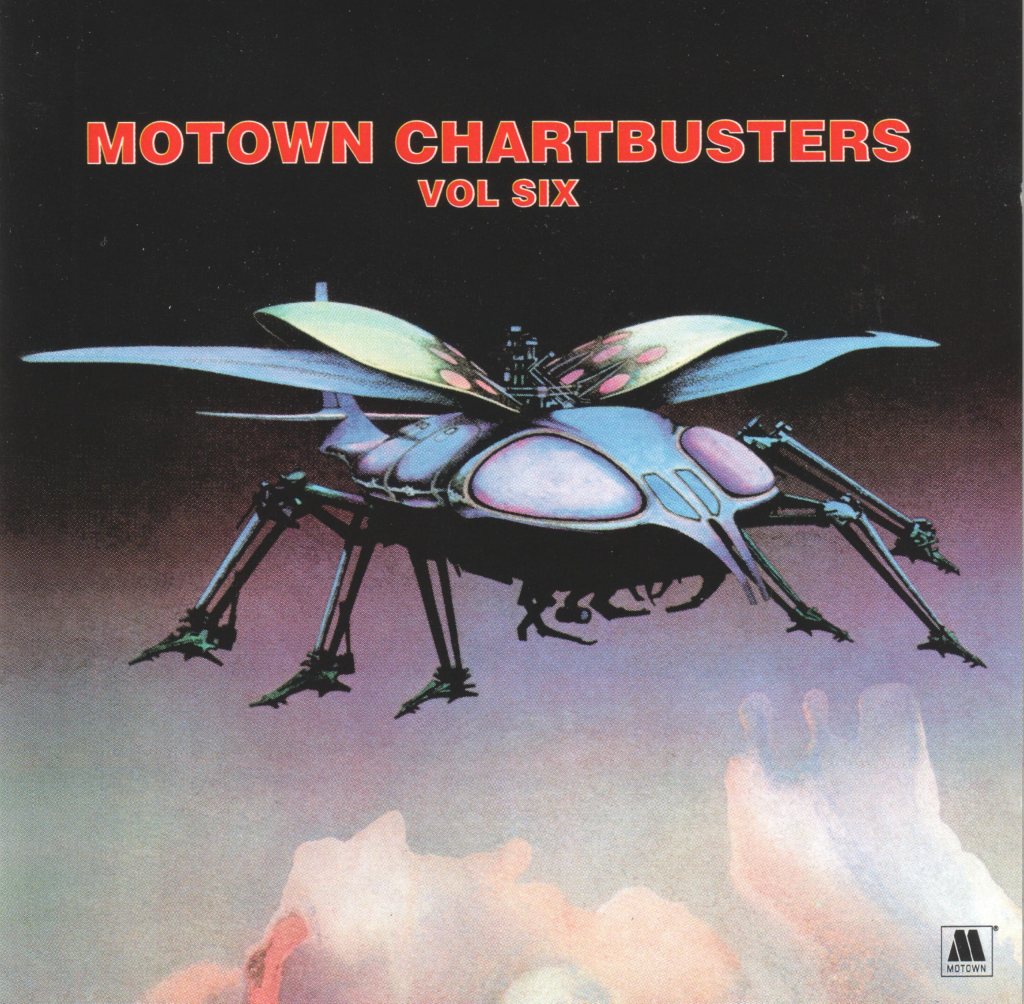
Another type of compilation that captured the zeitgeist in the 70s was ‘Record Label’ compilations, particularly the Motown Chartbusters series which ran from 1967 to 1982, capturing the cream of Motown in its heyday.
I had a soft spot for those albums, they were so well curated plus they always reminded me of being hurled around on a Waltzer at the Kelvin Hall Carnival.
A popular series, it was commercially the most successful compilation of its kind, until the Now That’s What I call Music series came along in the mid 80s.
Not many of the big hitting rock acts indulged in compilation albums in the 70s, concentrating instead on live albums as a means of packaging their greatest hits…. as the saying goes, there’s more than one way to skin a cat.
Prime examples of this were…. Led Zeppelin – The Song Remains the Same, Thin Lizzy – Live and Dangerous, and Deep Purple – Made in Japan
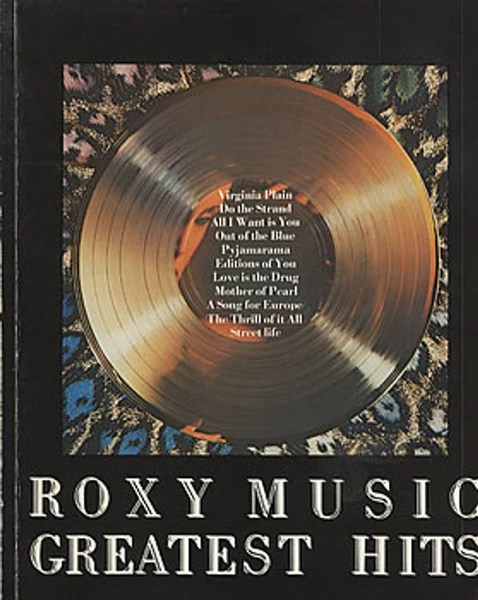
If I had to choose my favourite compilation album from back in the day, it would be Roxy Music Greatest Hits.
It was released in 1977 whilst the band were on a hiatus and Ferry was chasing solo fame, fortune and Jerry Hall.
With eleven tracks it ticked the concise box, but what made it unique and beloved to Roxy fans was how expertly it was curated.
By 1977 Roxy had released five singles, hardly enough to fill a ‘Greatest Hits’ album, but whoever selected the remaining tracks played a blinder, creating a no filler all killer, slice of Roxy heaven.
Times move on and like everything else the humble compilation has had to keep up with today’s trends to super-size everything, which is why they’re called box-sets and anthologies now.
As an example, the classic 1976 Eagles compilation contained 10 tracks and ran for 43 minutes, but it’s been superseded by a bloated 51 track, 4-hour, Eagles box set, containing unreleased material, live versions and an essay.
I think Kyle may have a point!
Créme de la Créme playlist below……
Discover more from
Subscribe to get the latest posts sent to your email.
 onceuponatimeinthe70s.com
Kyle most definitely has a point!
There are some fantastic ‘Greatest Hits’ albums available, but some I feel span too long a period of time, hence the music you may have first loved by that band has changed drastically, appealed to a different audience altogether, and as a result a ‘Greatest Hits’ compilation could consist of some later-period drivel, in the opinion of the purchaser.
(An example, albeit from the ’80s that springs to mind immediately, is Spandau Ballet.)
The original Eagles compilation though captures the band at arguably their prime period – though of course they could certainly and legitimately fill a double album’s worth of Joe Walsh era material too.
I looked to buy an ‘Anniversary’ re-release of Rory Gallagher’s ‘Deuce’ album. One of his three finest in my opinion. But the triple LP version was filled with German radio broadcasts / German radio outtakes / acoustic versions / Rory singing in the shower version etc, etc.
For about £65 a couple of years ago.
I think this is the only commercially available Rory LP NOT in my collection.
🙂
LikeLiked by 1 person
True Colin, the term ‘Greatest Hits’ does a lot of heavy lifting on some of those compilations.
LikeLike
I love ’em because of affordability and the probability of ‘no filler’ as you put it. And with some, like the Roxy Music one (which I bought circa 1980), you find so many great tracks you didn’t know , you end up going back and buying the catalog ,finding you like them more than you realized. I do laugh sometimes when I see a few of the ‘Best of’ albums/CDs in big box stores…Starland Vocal Band, Tommy Tutone…greatest hitS? That must be a short album!
LikeLiked by 1 person
Ha, yeah they need to drop the S from Hits on some of those Greatest Hits compilations.
LikeLiked by 1 person
Eagles are a good band to chronicle too, since their albums are a bit inconsistent. On the other hand, most of those songs have been played to death.
LikeLike